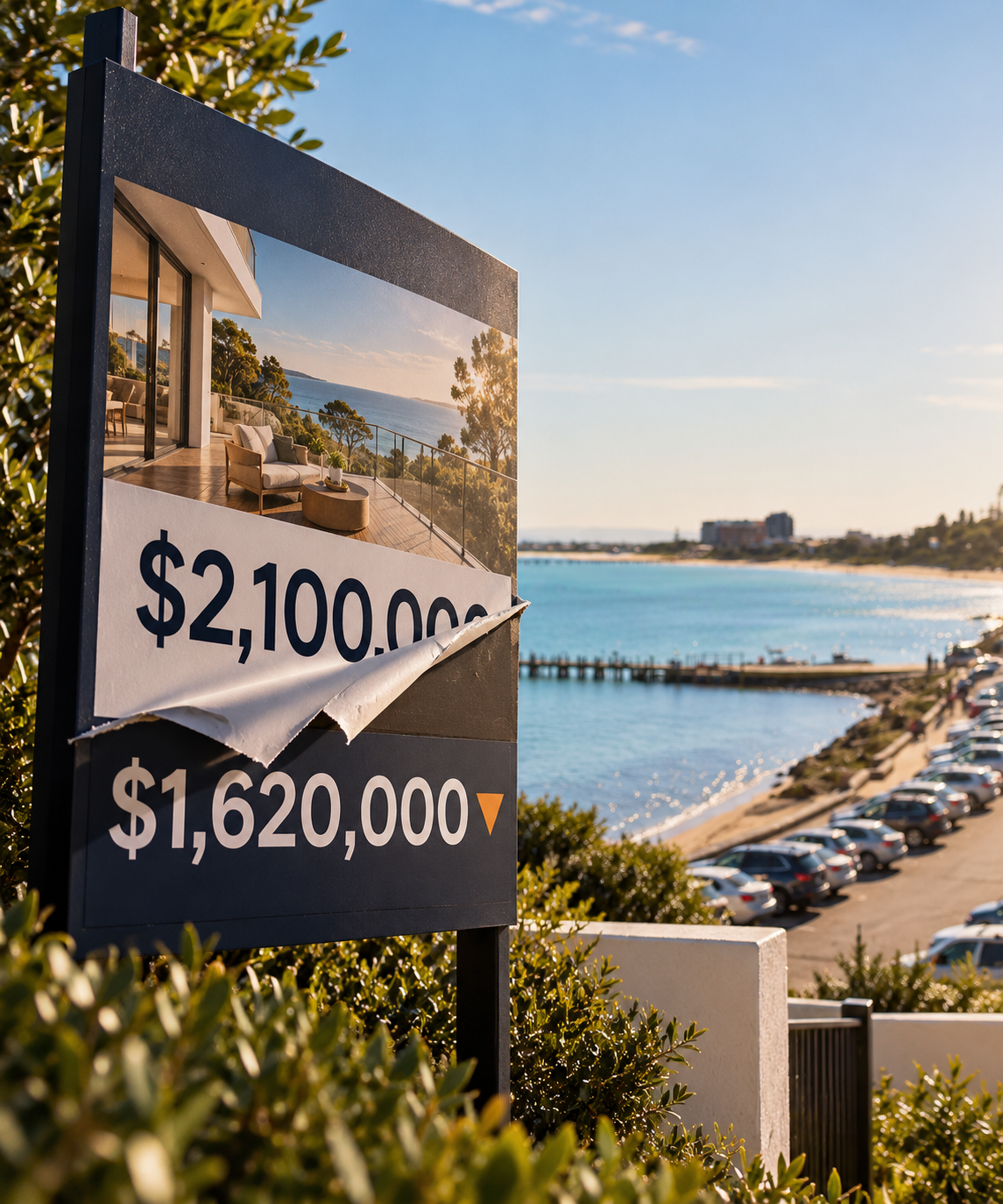
If you’re selling your home, the instinct to manage every detail (the photos, the price, the way the agent talks to buyers) feels like it should protect you. In our experience, it tends to do the opposite. The sellers who get the best results are the ones who trust the process once it’s set up properly, and the ones who try to control every part of the campaign are usually the ones who end up more stressed, with a worse outcome.
Micromanaging is a sign something else is wrong
Selling a home is a service business, much like hiring a builder or a landscaper. If you’re looking over a tradesperson’s shoulder questioning every decision, it gets in the way of them doing their job well. The same applies to a sales campaign. Owners who try to dictate every move, rather than agreeing on a strategy upfront and letting it run, tend to create friction that works against them.
That’s not to say you shouldn’t be involved. Plenty of sellers spend real money getting a home ready, and it’s reasonable to want a say in photography, styling and presentation. The difference is between being informed and involved versus trying to control the agent’s judgement on strategy, pricing and negotiation once the campaign is underway.
Price is a process, not a starting position
One of the biggest mistakes we see is sellers fixating on a single number from day one, rather than letting the market tell them what the property is worth. The right approach is to price based on recent sales and genuine market feedback, then let multiple interested buyers competing against each other do the work of finding the true price, rather than guessing at a ceiling figure before a single buyer has walked through the door.
This also matters when you’re choosing between agents. Be wary of an agent who prices a property noticeably below comparable homes just to drive numbers through the door (sometimes called a “pinball listing”), only to then try to redirect that traffic to a different, more realistically priced listing of theirs. Buyers are smart: most people will go straight to the home priced in line with what they’re actually willing to spend, rather than touring a cheaper comparison first.
If you’re assessing an agent, ask for their last ten sales and call the owners. Track record and client feedback tell you far more than a quoted price range ever will.
What tells us a buyer is genuine
Not every person through an open home is a serious prospect. A few signals we watch for:
- They ask whether the owner would consider an offer before auction day
- They ask about settlement timeframes, which usually means they have their own timeline to work around
- They’re getting building and pest inspections done in the lead up to auction, which tells us they intend to bid
Auctions in particular are good at separating serious buyers from browsers, because by auction day people are talking price and are prepared to buy unconditionally.
What buyers are cautious about right now
A few recurring sticking points come up with buyers doing their research in Frankston and Frankston South:
- Flood overlays, which the government has been reviewing and which can affect how a property is viewed or developed
- Bushfire overlays, which are more common in pockets bordering reserves and bushland
- Easements running through a block, which can quietly turn a site that fits four units into one that only fits three once you check the plan of subdivision
None of these automatically rule a property out, but they’re worth understanding early, whether you’re buying or selling.
In short
- Owners who trust an agreed strategy, rather than trying to control every decision, tend to get better results and less stress
- Let the market set the price through genuine buyer competition rather than fixing a number upfront
- Be cautious of pricing that looks designed to redirect traffic to another listing
- Serious buyers tend to ask about offers before auction and settlement timing, and get inspections done ahead of auction
- Flood overlays, bushfire overlays and easements are common factors buyers are checking before they commit
This article draws on a conversation between Juan and Josh Merchan on the Selling Frankston podcast. Juan has been selling property in Frankston and Frankston South for more than 25 years.
You might also be interested in
Nov 2, 2026
The Block 2026 Results: Price Guides, Reserves and Sale Prices in Mount Eliza
Five houses. One reserve. Every one sold. On Sunday 1 November, all five Block houses in Mount Eliza went under the hammer. Every one sold, for a combined $20.8 million. That's $3.55 million above th