How We Decide What to Charge for Your Home
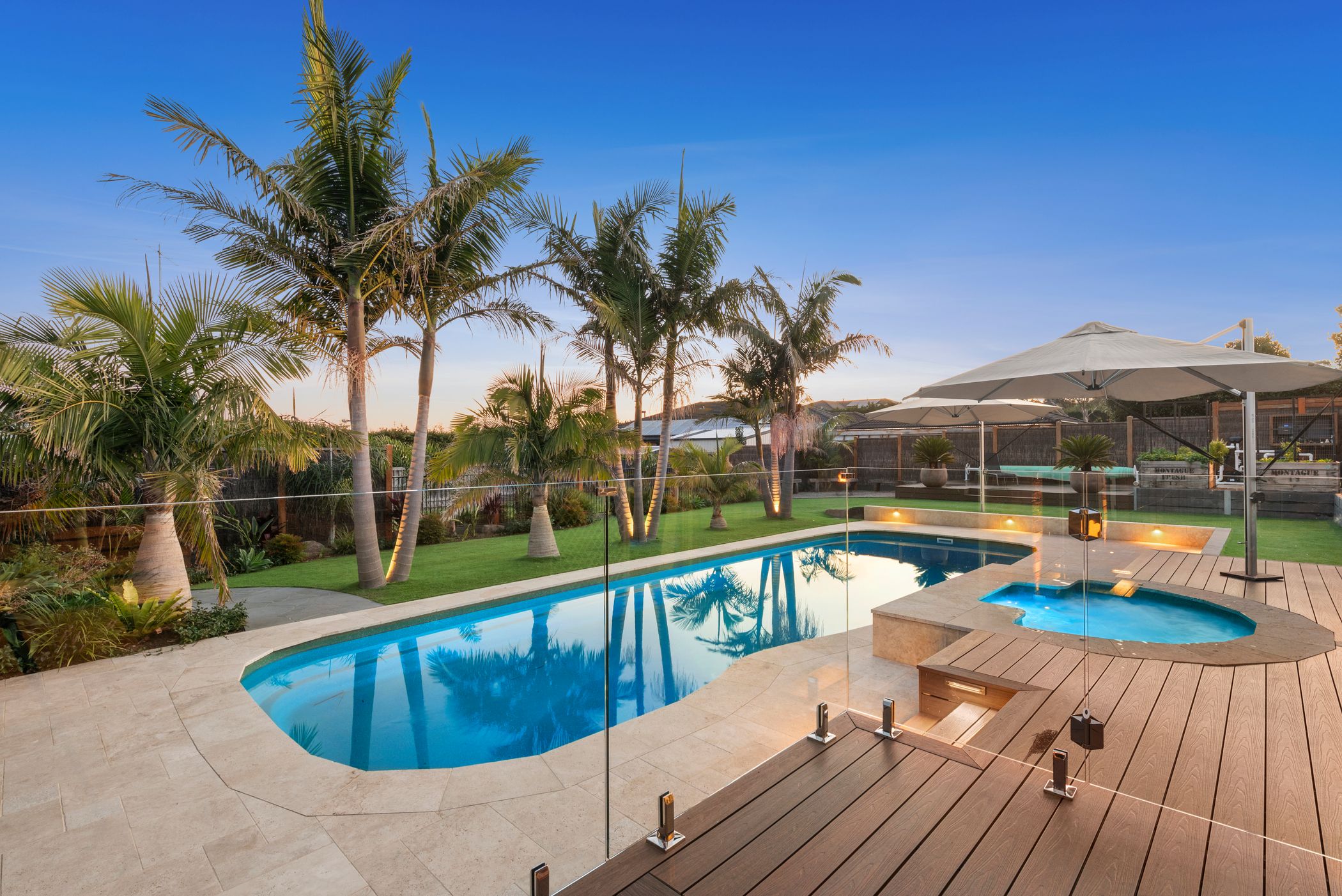
Marketing gets people looking. The price guide gets them through the door. We’ve sold homes with glossy video production and big budgets that still got no interest, because the price guide was out of step with what the market was willing to pay. Get the price wrong and it doesn’t matter how good the photos are.
Why the Price Guide Does the Heavy Lifting
Think of it like a retail store with a price tag in the window. Not everyone can afford what’s inside, but the price tells people whether to walk in. A home for sale works the same way. The advertising (the photos, the floor plan, the video) is the billboard. It gets eyeballs. The price guide is what decides whether those eyeballs turn into people walking through your front door.
If a price guide is out of alignment with the market, even by around 5%, you can struggle to get an audience on the very first day. No audience means no competition, and no competition means no negotiating power. Once that happens, the power sits with the buyer, not the seller.
The Agent Who Tells You What You Want to Hear
One of the most common traps for sellers is being told an inflated number just to win the listing. We’ve seen owners who went to market with one price range, then watched it drop by more than half a million dollars over 12 months because the original guide was never realistic.
A simple way to test an agent’s honesty on this: ask what reserve they’d set if the property went to auction. We’ve had agents quote a buyer facing range of, say, $1.15 to $1.25 million, then quietly suggest a reserve around $950,000 once auction is on the table. That gap tells you the original number was there to win the business, not to reflect the market.
The better question to ask an agent isn’t “how much do you think my home is worth.” It’s “what is your pricing strategy.” If they can’t answer that clearly, be cautious.
What the First Two Weeks Tell You
Once a property is live, the market starts giving you answers fast. Listing views on sites like realestate.com.au and domain.com.au are an early signal. If you’re not hitting a reasonable benchmark, something is off, whether that’s the price, the positioning, or competing listings that have just come on.
Open home numbers matter too, but not just the headcount. We look at who’s actually a genuine buyer versus a neighbour having a look. The real tells are whether people are asking for a copy of the contract and Section 32, whether they’re asking if offers will be accepted before auction, whether they’re already discussing settlement timeframes, and whether they tell you they’ve made offers on other properties recently. Those questions point to someone who is active and ready, not just curious.
Locally, homes in Frankston have been selling in around 17 days, and in Frankston South around 28 days. If your campaign is dragging well past that with low numbers through opens, it’s a sign to revisit the strategy rather than wait it out.
Why We Lean on Auction
Auction remains, in our view, the most transparent way to sell. You don’t get to choose who buys the property. The best price on the day wins it, and that process only works properly when the price guide reflects genuine interest rather than hope. When a buyer is emotionally invested in a home, genuinely believes in its value, and knows the agent is being straight with the market, that’s when real competition shows up, regardless of the day or time of the auction.
The Risk of Testing a High Price
There’s a real legal point worth understanding here: when you sign an authority to sell, you set a reserve, and the price guide has to sit within range of that reserve. An agent can’t simply quote whatever figure sounds good. If you tell your agent you want $1.5 million, they can’t then advertise a guide of $1.3 to $1.4 million; the quoted range has to be consistent with what you’ve authorised.
It’s also worth resisting the temptation to “test the market” with a high figure just to see what happens. Once a listing goes live and reaches a wide audience, a poor start is hard to walk back. If a price is too ambitious, low turnout at the opens becomes its own story, and buyers talk.
In Short
- Marketing creates attention; the price guide creates the audience that actually shows up
- Even a price guide roughly 5% above the market can mean little to no interest on day one
- Ask your agent for their pricing strategy, not just a number
- Genuine buyer interest shows up as questions about contracts, Section 32, settlement timing and finance, not just foot traffic
- Frankston has been seeing selling times of roughly 17 days and Frankston South around 28 days. Use that as a rough guide for how quickly your own campaign should be showing signs of life
- The quoted price range must stay consistent with the reserve set out in your sale authority
This article draws on a conversation between Juan and Josh Merchan on the Selling Frankston podcast. Juan has been selling property in Frankston and Frankston South for more than 25 years.
You might also be interested in

Oct 16, 2026
How to Choose the Right Agent for Your Property
Most sellers pick an agent based on fee and a few photos on a listing. That’s the wrong way round. The right way is to look at how an agent handles price, presentation and process, because those three